


Few experiences compare to the freedom and adventure of a road trip – windows down, playlists queued, and the open highway ahead. But nothing derails a family getaway faster than a forgotten must-have, an unexpected car issue, or a meltdown in the backseat due to hunger or boredom. Whether you’re packing up the family SUV for a week at Rocky Mountain National Park or plotting a cross-country trek, the right road trip necessities make all the difference between a smooth ride and a stressful ordeal. This guide covers everything you need to pack, from safety basics to comfort hacks and kid-pleasing snacks, with pro-level checklists and practical advice for every situation.
Road Trip Necessities – The Quick Checklist
Packing for the road doesn’t need to be overwhelming. Here’s a quick preview of what you’ll want for any drive – weekend or cross-country – so you don’t miss the must-have road trip necessities:
- Safety: First-aid kit, jumper cables, spare tire, emergency water, basic meds
- Car readiness: Tire pressure, fluids, spare, documents
- Comfort: Layers, neck pillow, sunglasses, blanket
- Tech: Phone mount, chargers, maps (offline and paper)
- Food: Cooler, healthy snacks, water bottles, utensils
- Hygiene: Hand wipes, tissues, trash bags
- Organization: Packing cubes, trunk bins, seatback organizers
- Entertainment: Podcasts, games, books, playlists
- Special situations: Kid gear, dog kit, winter items, cross-border docs
Scroll down for the full breakdown and expert packing rules.

Before you pack – 10-minute car readiness check
Before you even load the trunk, take ten minutes to make sure your vehicle is truly ready for the miles ahead. Skipping this step risks delays or even dangerous breakdowns – especially on remote stretches.
Tires: Check all four tires for proper pressure (use your car’s recommended PSI, usually found on the driver’s door jamb or manual). Don’t forget the spare – many people do. Inspect tread depth; if it’s below 2/32″, replace the tire. Look for sidewall cracks or bulges.
Fluids: Pop the hood and check engine oil, coolant, and windshield washer fluid. Top off as needed. If you’re nearing an oil change, do it before leaving. For longer trips or mountain routes, coolant is especially important to prevent overheating. Carry a small jug of washer fluid in the trunk for bug-heavy or muddy stretches.
Lights and wipers: Test headlights, brake lights, turn signals, and hazard lights. Replace dim or burnt-out bulbs. Run the wipers and check for streaks or splits – if they’re worn, swap them out. Good visibility is non-negotiable in rain or at night.
Fuel plan: Map out your route and note long stretches without gas stations. Fill up before remote segments. Consider a spare gas can if you’re heading into truly isolated areas (check local laws first).
Roof box/towing: If you’re using a roof box or towing a trailer, double-check weight limits and secure all attachments. Distribute weight evenly and keep heavy items low.
Documents you’ll regret forgetting
Pack your driver’s license, registration, and proof of insurance where you can grab them fast. Add your roadside assistance card or membership info. For rentals, bring the contract and emergency number. If you’re crossing borders, bring passports, visas, and any required insurance or customs forms. A printed copy of your route and emergency contacts can be a lifesaver if your phone dies.

The 35 Road Trip Necessities
Organizing your gear by category helps you pack efficiently and avoid overstuffing your vehicle. Here’s the full breakdown, with each item explained and prioritized.
Safety and emergency essentials
1. First-aid kit
A well-stocked first-aid kit should include bandages, gauze, antiseptic wipes, tweezers, adhesive tape, antibiotic ointment, and a few packs of pain relievers. Add any personal medications and allergy meds your family needs. Pro tip: Check the kit before each trip – restock anything used.
2. Flashlight or headlamp
A sturdy flashlight or headlamp (with fresh batteries) is necessary for night-time emergencies or repairs. Headlamps keep your hands free if you’re changing a tire in the dark. Keep one in your glovebox and another in your trunk kit.
3. Jumper cables or portable jump starter
Dead batteries happen, even to new cars. Jumper cables are a must, but a portable lithium jump starter can be a trip-saver if you’re far from help. Make sure it’s charged before you leave.
4. Tire inflator and tire sealant
A 12V portable tire inflator plugs into your car and can top up a slow leak. Tire sealant (like Fix-a-Flat) can get you to a shop after a puncture, but don’t use it if you have tire-pressure sensors unless it’s approved. Always read your owner’s manual.
5. Reflective triangles or road flares
If you break down, reflective triangles or LED flares make your vehicle visible to oncoming traffic – especially on dark or rural roads. Set them up behind your car if you’re stuck on the shoulder.
6. Multi-tool and duct tape
A multi-tool (think Swiss Army knife or Leatherman) plus a roll of duct tape can handle quick fixes, from tightening a loose screw to patching a hose. These take up little space but solve countless problems.
7. Emergency blanket and warm layer
Foil emergency blankets reflect body heat and work in any season. Pack a fleece or hoodie for each person, even in summer – mountain nights or air-conditioned rest stops can get chilly.
8. Emergency water stash
Keep a separate gallon of water in the trunk for breakdowns or cleaning up messes. This is in addition to your drinking bottles.
9. Phone charging backup
Bring both a car charger (dual USB if possible) and a power bank for emergencies. A dead phone means no GPS, no calls, and no entertainment for kids.
10. Basic medications
Optional: pack any personal prescriptions, plus over-the-counter essentials you might need on the road (for example, pain relief, anti-inflammatories, allergy tablets, and motion-sickness medicine). Always follow the label instructions and dosage, and double-check warnings (especially anything that can cause drowsiness) before driving. If you’re unsure what’s safe for you, ask a pharmacist or clinician.
Pro tip: Build a permanent trunk kit with these items so you’re always ready, not scrambling before every trip.

Navigation and tech essentials
11. Phone mount
A sturdy phone mount keeps your navigation visible and hands-free. This reduces distractions and keeps you legal in most states. Choose a model that fits your dashboard and phone size.
12. Offline maps downloaded
GPS apps like Google Maps or Waze work great – until you lose signal in the mountains. Download offline maps for your route before leaving. This backup prevents wrong turns or missed exits.
13. Paper map
Phones die, screens crack, and sometimes you’re out of coverage. A paper map is a reliable backup, especially for remote national parks or scenic byways.
14. Charging setup
Bring a dual or triple USB-C car adapter so everyone can charge devices at once. Use a cable organizer to prevent tangles and lost cords.
15. Headphones or earbuds
Passengers can enjoy podcasts or movies without distracting the driver. For kids, headphones are a sanity-saver. Drivers should keep one ear open to the road.
16. Toll pass, payment method, and parking apps
If your route includes toll roads, bring a compatible transponder or check for app-based payment options. Download parking apps for cities you’ll visit – this saves time and stress.

Comfort for long drives
17. Sunglasses
Polarized sunglasses cut glare and eye strain. Keep a spare pair in the glovebox for backup.
18. Refillable water bottle
Every traveler should have their own bottle. Refill at rest stops to stay hydrated and avoid single-use plastics.
19. Neck pillow or lumbar support
Neck pillows prevent stiff necks and help passengers nap. Lumbar cushions support your back on long stretches. Look for memory foam styles that pack small.
20. Light blanket
A fleece or travel blanket is perfect for chilly mornings, air-conditioned rest stops, or impromptu picnics. Choose a washable option.
21. Travel-friendly layers
Pack clothing you can add or shed easily: hoodie, light jacket, rain shell. Even in summer, temperatures swing with altitude or weather.
22. Hand wipes and tissues
Hand wipes clean sticky fingers, spilled snacks, or gas station grime. Tissues cover everything from sneezes to windshield cleaning.
23. Trash system
A small car trash bin or disposable bags keep wrappers and bottles contained. Empty at every stop to prevent odors and clutter.
24. Microfibre towel or quick-dry towel
These pack small, dry fast, and handle everything from beach days to muddy shoes to spilled drinks.

Food, snacks, and coolers
25. Cooler or insulated bag
A small cooler or insulated tote keeps sandwiches, cheese, and drinks cold for hours. For trips under 8 hours, a soft cooler with ice packs works well. For multi-day trips or camping, upgrade to a hard-sided cooler.
26. Ice packs and zip bags
Reusable ice packs keep food cold without leaks. Zip bags are perfect for portioning snacks, storing leftovers, or containing wet items.
27. Shelf-stable snack kit
Healthy snacks like nuts, trail mix, granola bars, jerky, and dried fruit keep energy up and mess down. Pack enough for everyone – figure about 2–3 snacks per person, per day.
28. “Real meal” backup
Pack a meal that doesn’t need refrigeration: whole-grain crackers with tuna packs, nut butter, or protein bars. This covers you if you miss a meal stop or get delayed.
29. Reusable utensils and napkins
Skip disposable cutlery and napkins. Bring a set of reusable utensils and a few cloth napkins for meals or snack breaks.
Snack formula: Pair protein (nuts, cheese, jerky) with fiber (fruit, whole grains) and hydrate often to avoid energy crashes.

Organization that keeps the car livable
30. Packing cubes or soft duffels
Soft-sided bags fit better in trunks and can be squished to make space. Packing cubes keep clothes organized and easy to grab at hotels or campsites.
31. Trunk organizer or bins
A trunk organizer keeps emergency gear, snacks, and extra clothes from sliding around. Use bins for kitchen items if you’re camping.
32. Seatback organizer
Kids need their own space for books, tablets, snacks, and water bottles. Seatback organizers prevent clutter and keep essentials within reach.
33. Ziploc bags or dry bags
Use these for wet swimsuits, muddy shoes, leaky toiletries, or dirty laundry. They’re cheap, light, and endlessly useful.
34. Laundry bag
A mesh or nylon bag for dirty clothes keeps your car from smelling like a locker room. Toss it in the wash when you get home.
35. Small daypack
A lightweight backpack is perfect for hikes, sightseeing, or bathroom breaks at busy rest stops. Keep snacks, water, and sunscreen inside.

Road trip packing rules that actually work
Even the best list won’t help if you overpack or forget the basics. Use these simple rules to pack fast, travel light, and keep the essentials at hand.
What is the 1 2 3 4 5 6 packing rule?
This rule helps you pack clothes for any trip length without overstuffing your bag:
- 1 hat (sun or winter, depending on season)
- 2 pairs of shoes (one for walking/hiking, one for driving or relaxing)
- 3 bottoms (pants, shorts, leggings)
- 4 tops (mix of t-shirts, long sleeves, or tanks)
- 5 pairs of socks
- 6 pairs of underwear
Adjust for trip length by planning to do laundry or re-wear layers. Choose quick-dry fabrics and neutral colors that mix and match.
The “grab bag” rule
Keep a tote or backpack up front with the items you’ll want every day: wipes, chargers, basic meds, snacks, a spare layer, and your wallet. This means you never have to dig through the trunk at a rest stop or scramble for essentials when the kids get hungry.
How to survive a 12-hour road trip
- Long drives test patience and comfort, especially with kids. Here’s how to keep everyone happy and safe:
- Break cadence: Stop every 2–3 hours for bathroom breaks, stretching, and snacks. With kids, plan for more frequent stops – build them into your route.
- Hydration and caffeine: Drink water steadily, but avoid loading up on caffeine late in the trip to prevent the “caffeine cliff” that can cause jitters or a caffeine crash.
- Driver fatigue: Rotate drivers if possible. If you’re solo, take a 15–20 minute power nap if you feel drowsy. Set an alarm to avoid oversleeping.
- Comfort resets: At each stop, do a quick stretch – focus on calves, hips, shoulders, and neck to prevent stiffness.
- Entertainment pacing: Start with podcasts or audiobooks early, switch to music midway, and keep quiet time or calming sounds for the last hours.
- If solo: Share your ETA and route with a friend or family member. Check in at major stops for safety.

Road trip necessities by travel type
Every trip is unique. Here’s how to adjust your packing for special situations.
Road trip necessities with toddlers or kids
- Car seat essentials: Bring the right seat for each child, installed correctly. Add a seat protector to catch crumbs and spills.
- Window shades: Block sun glare and keep the backseat cooler.
- Spill-proof snacks: String cheese, cut fruit in containers, squeeze pouches, and crackers are low-mess options.
- Change of clothes: Keep a full change for each child within reach, not buried in the trunk.
- Simple activities: Coloring books, magnetic games, tablets (with headphones), and downloaded movies or audiobooks.
- Night diapers: For young kids, use night diapers or training pants to avoid accidents.
- Clean-up kit: Pack wipes, trash bags, paper towels, and a small towel for spills.
Road Trip Necessities with a dog
- Leash and waste bags: Bring a sturdy leash and enough bags for the trip.
- Collapsible bowl: For water and food at stops.
- Towel: For muddy paws or wet fur.
- Seat cover: Protects your car’s interior from hair and dirt.
- Proof of vaccines: Needed for some parks, hotels, or crossing borders.
Winter road trips
- Extra warm layers: Hats, gloves, scarves, and thermal socks for every person.
- Ice scraper and snow brush: Keep windshield and windows clear.
- Traction aid: Sand, kitty litter, or traction mats for getting unstuck.
- Washer fluid rated for cold: Prevents freezing on the windshield.
- Emergency blanket: Extra important if you get stranded.
- Cross-border or multi-country drives
- Passports: For every traveler, including kids.
- Insurance/green card documents: Check requirements for your destination.
- Offline maps: Download for all regions you’ll pass through.
- Roaming/SIM plan: Avoid surprise charges by setting up a travel SIM or checking your provider’s international rates.
Road Trip Necessities FAQs
What essentials do you need for a road trip?
You need your driver’s license, registration, insurance, a car emergency kit (first-aid, jumper cables, tire inflator), navigation tools (phone mount, maps), water and snacks, comfort layers, and organization for trash and gear.
What should I get for a road trip?
Invest in a quality phone mount, trunk organizer, power bank, first-aid kit, and a cooler or insulated bag. These items last for years and make every trip easier.
What is the 1 2 3 4 5 6 packing rule?
Pack 1 hat, 2 pairs of shoes, 3 bottoms, 4 tops, 5 pairs of socks, and 6 pairs of underwear. Adjust for trip length by doing laundry or re-wearing layers.
How do you survive a 12 hour road trip?
Stop every 2-3 hours, drink water regularly, rotate drivers or nap if solo, stretch at each stop, and pace your entertainment. Share your route and ETA with someone if traveling alone.
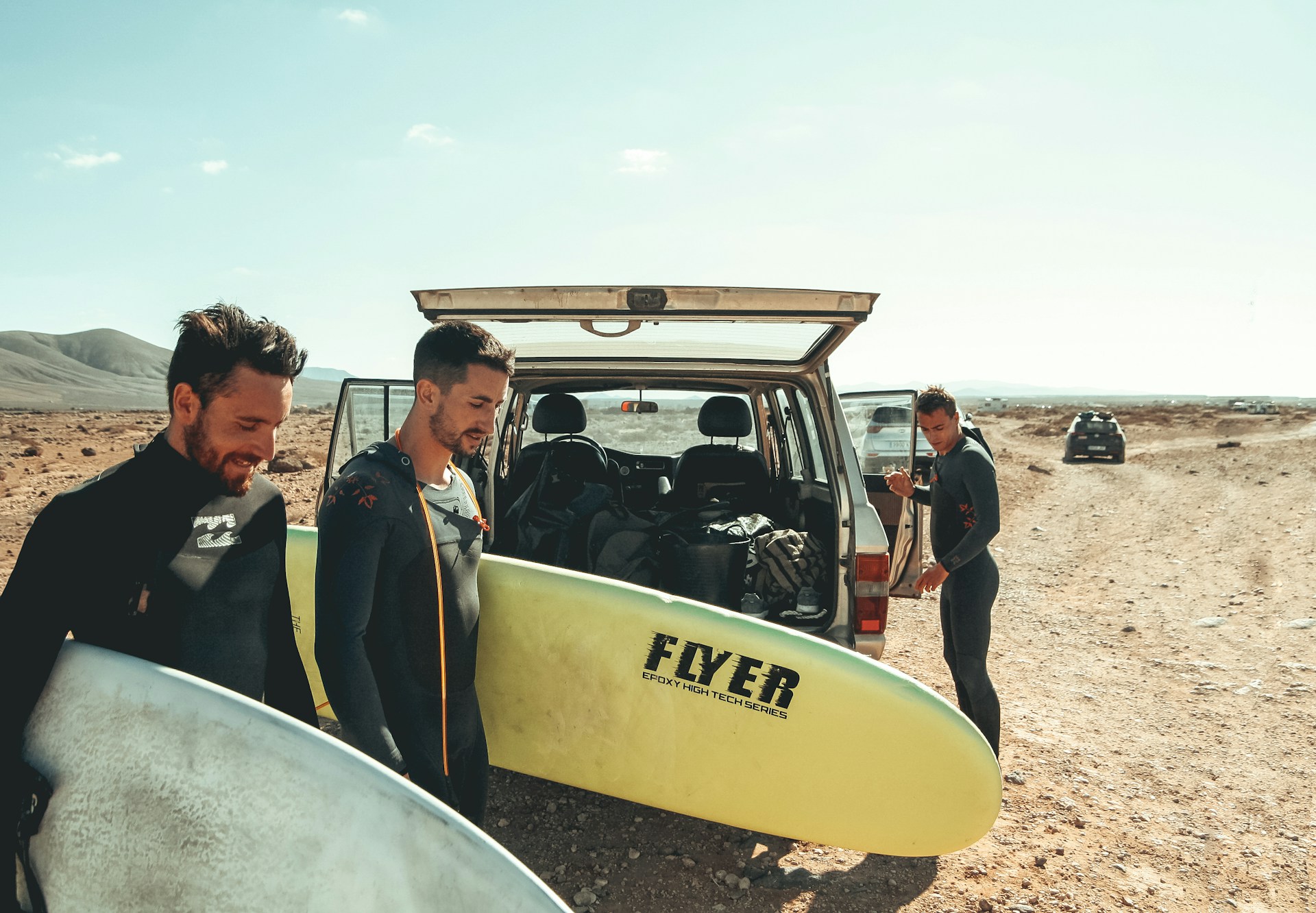
Planning Your Perfect Roadtrip
Packing for a road trip doesn’t have to be stressful or overwhelming. With the right essentials – organized by safety, comfort, food, tech, and special needs – you can prevent the mishaps and meltdowns that derail family adventures. Use the 1 2 3 4 5 6 packing rule to keep clothing simple, set up a permanent trunk kit for emergencies, and tailor your packing for kids, pets, or winter weather. Download the printable checklist, run your 10-minute car check, and set out with confidence. Safe travels and happy memories await on the open road.
Packing for a road trip doesn’t have to be a “did I forget something?” spiral – it just needs a repeatable checklist you trust.