


Packing for a vacation should feel like the start of the fun – not the most stressful part of the trip. But in 2026, packing has gotten more complicated. Airline baggage rules are tighter, carry-on space matters more than ever, and most trips involve multiple activities packed into fewer days. The result? Overstuffed suitcases, forgotten essentials, and the familiar feeling that you brought everything except the one thing you actually need.
The good news: smart packing is a skill you can learn. The best travelers don’t pack more – they pack better. They use systems, proven rules, and a little planning to travel lighter, stay organized, and enjoy their vacations from day one.
Below are the 25 best packing tips for 2026, built specifically for vacation travel. These tips combine timeless packing rules with modern realities like carry-on limits, capsule wardrobes, long-haul comfort, and sustainable choices – so you can pack with confidence for any trip.
Packing Smarter Starts With a System
Before we dive into the list, one thing matters more than any single hack: having a system. Most packing stress comes from packing reactively – throwing items into a suitcase as you think of them. The most effective approach is structured, intentional, and outfit-driven. Keep that mindset in mind as you work through the tips below.

Packing Tips for Outfits and Clothing
1. Pack for the trip you’re taking – not the trip you imagine
One of the most common packing mistakes is preparing for every possible scenario instead of the vacation that’s actually planned. It’s tempting to throw in extra outfits “just in case,” but most trips follow a predictable rhythm. You might spend your days sightseeing, relaxing by the pool, or exploring a city – yet end up packing clothes for formal dinners, intense workouts, or weather that never arrives.
The smartest packing tip is to anchor everything to your real itinerary. Look at what you’ll be doing day to day and pack specifically for those activities. If an item doesn’t clearly support something on your schedule, it’s probably excess. Packing with intention not only saves space, it also makes getting dressed on vacation easier and more enjoyable.
2. Check the weather twice – and plan for micro-changes
Weather plays a huge role in packing well, but relying on a single forecast is risky. A smart approach is to check the weather once while planning outfits and again the night before you pack. In 2026, hyper-local forecasts are accurate enough to help you make informed decisions without overpacking.
Instead of packing for every possible condition, plan for micro-changes. A lightweight layer, compact rain shell, or breathable scarf can handle temperature swings far better than extra outfits. This strategy is especially useful for vacations where days and evenings feel very different. Packing adaptable layers helps you stay comfortable while keeping your suitcase lighter.
3. Build outfits, not piles of clothes
One of the most effective packing tips for vacations is shifting from item-based packing to outfit-based packing. Rather than tossing individual tops and bottoms into your suitcase, plan complete outfits – including shoes and layers – ahead of time. This eliminates guesswork once you arrive and prevents packing duplicates that serve the same purpose.
A helpful rule of thumb: if a top doesn’t work with at least two bottoms you’ve already packed, it’s likely unnecessary. This approach naturally leads to a capsule-style wardrobe that maximizes outfit combinations while minimizing bulk. You’ll spend less time deciding what to wear and more time enjoying your trip.
4. Use the 5-4-3-2-1 packing rule
The 5-4-3-2-1 packing rule is one of the most popular packing systems because it creates structure without feeling restrictive. For most vacations, it provides the perfect balance of variety and simplicity:
- 5 tops
- 4 bottoms
- 3 pairs of shoes
- 2 layers (jacket, sweater, hoodie)
- 1 wildcard (a dress, statement outfit, or special-occasion piece)
You can adjust slightly based on climate or trip length, but keeping the framework prevents overpacking. This rule works especially well for travelers who want flexibility without bringing their entire wardrobe. It’s a reliable foundation for packing efficiently and confidently.
5. Try the 3-3-3 rule for short trips
For weekend getaways or carry-on-only vacations, the 3-3-3 rule is a game changer. It keeps packing simple while still offering plenty of outfit options:
- 3 tops
- 3 bottoms
- 3 pairs of shoes
When chosen thoughtfully, these nine pieces can create up to nine different outfits. This rule is ideal for short trips, city breaks, or travelers trying to avoid checked baggage. It forces intentional choices and eliminates the urge to overpack “just in case,” making it one of the most efficient packing tips for quick vacations.
6. Limit shoes to what earns its place
Shoes are one of the fastest ways to overpack. They’re bulky, heavy, and often redundant. For most vacations, three pairs is the realistic maximum: one pair worn during travel, one comfortable everyday pair, and one activity or occasion-specific option.
Before packing a pair of shoes, ask yourself how many outfits they actually work with. If they only match one look or serve a single, unlikely scenario, they’re probably not worth the space. Limiting shoes is one of the easiest ways to pack lighter and avoid unnecessary weight – especially important for carry-on travel and airline baggage limits.
7. Build a capsule wardrobe that mixes effortlessly
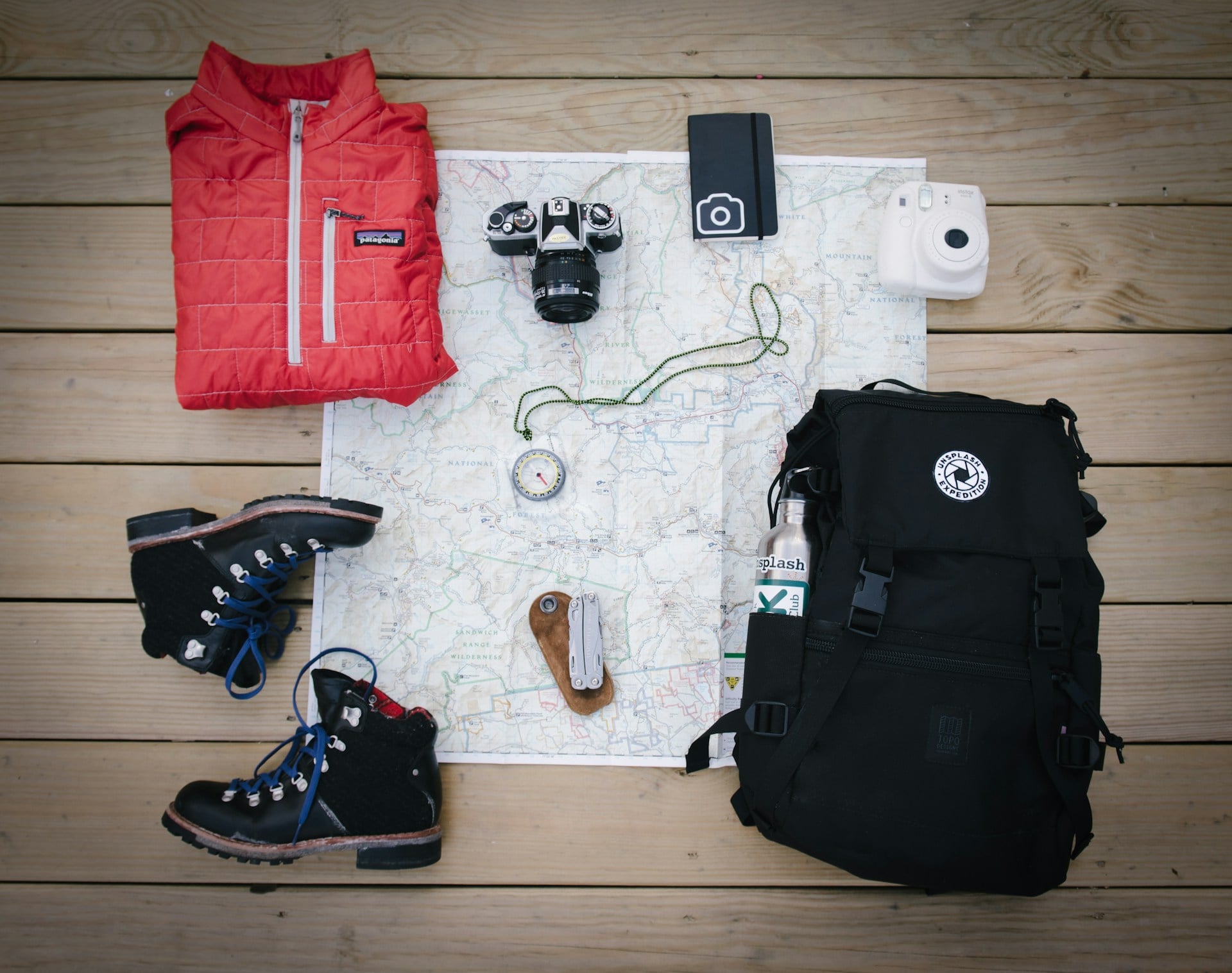
A vacation capsule wardrobe is one of the best packing tips for traveling lighter without feeling limited. Pack a small set of pieces that all work together by sticking to a cohesive palette – neutral bases (black, white, tan, navy, denim) plus one or two accent colors. That way, most items pair naturally and you’re not packing extras just to make one outfit work. It also reduces the urge to overpack “just in case,” because your wardrobe is flexible by design.
8. Roll or fold based on fabric – not habit
A smart packing tip is choosing rolling vs folding based on fabric and wrinkle risk. Rolling works well for casual items like t-shirts, cotton tops, workout gear, denim, and pajamas – it saves space and keeps things visible. Folding is better for structured pieces like blazers, dresses, skirts, and button-down shirts where creases show. Mixing methods helps you pack efficiently, keep clothes neat, and avoid unpacking a suitcase full of wrinkles.
9. Wear your bulkiest items in transit
To pack lighter, wear your bulkiest items on travel days. Jackets, boots, hoodies, and heavy layers take up valuable suitcase space and can push you into overpacking. Wearing them also keeps you comfortable in chilly airports and cold plane cabins. If you get warm, drape the layer over your carry-on handle or tie it around your waist once you’re moving. This is especially helpful for carry-on travel with strict baggage limits.
10. Use packing cubes strategically (not randomly)
Packing cubes are one of the most practical packing tips for vacations – but only if you use them with a system. Their real value isn’t just compression; it’s organization. Instead of throwing items into cubes randomly, assign each cube a clear purpose (tops, bottoms, underwear/socks, gym wear, kids’ clothes, etc.). That way, you always know where everything is, even halfway through the trip.
This makes packing and unpacking faster, keeps your suitcase tidy, and helps you avoid that mid-vacation chaos where everything becomes a jumbled pile. Packing cubes also make it easier to “fan out” your suitcase in a hotel room without fully unpacking. For multi-stop trips, you can even dedicate a cube to each location or activity type – which is a huge win for packing efficiently when you’re moving around.
11. Separate “day wear” and “evening wear”
Vacations often have two different modes: daytime exploring and evening plans. Day wear usually needs to be comfortable, breathable, and walk-friendly, while evening wear might be slightly dressier or more polished. Separating these categories is a smart packing tip because it prevents you from packing duplicates – like three “nice tops” that all serve the same purpose.
It also keeps outfit planning intentional. When you know you have a defined set of daytime pieces and a smaller set of evening options, you’re less likely to overpack. This is especially helpful for city breaks where you’ll walk a lot during the day but want a different vibe for dinner. A clean day/evening split creates variety without increasing the number of items you bring.
12. Plan one laundry reset instead of extra outfits
Instead of packing extra clothing “just in case,” plan for one laundry reset. It can be hotel laundry, a local laundromat, or sink-washing essentials like underwear and workout gear. This is one of the easiest packing tips for cutting volume – especially for trips longer than a few days. Quick-dry fabrics make it even simpler, and you’ll pack fewer basics without feeling like you’re repeating the same outfit every day. Less bulk, more flexibility.
Packing Tips for Checked and Carry-On Luggage
13. Always pack essentials in your carry-on
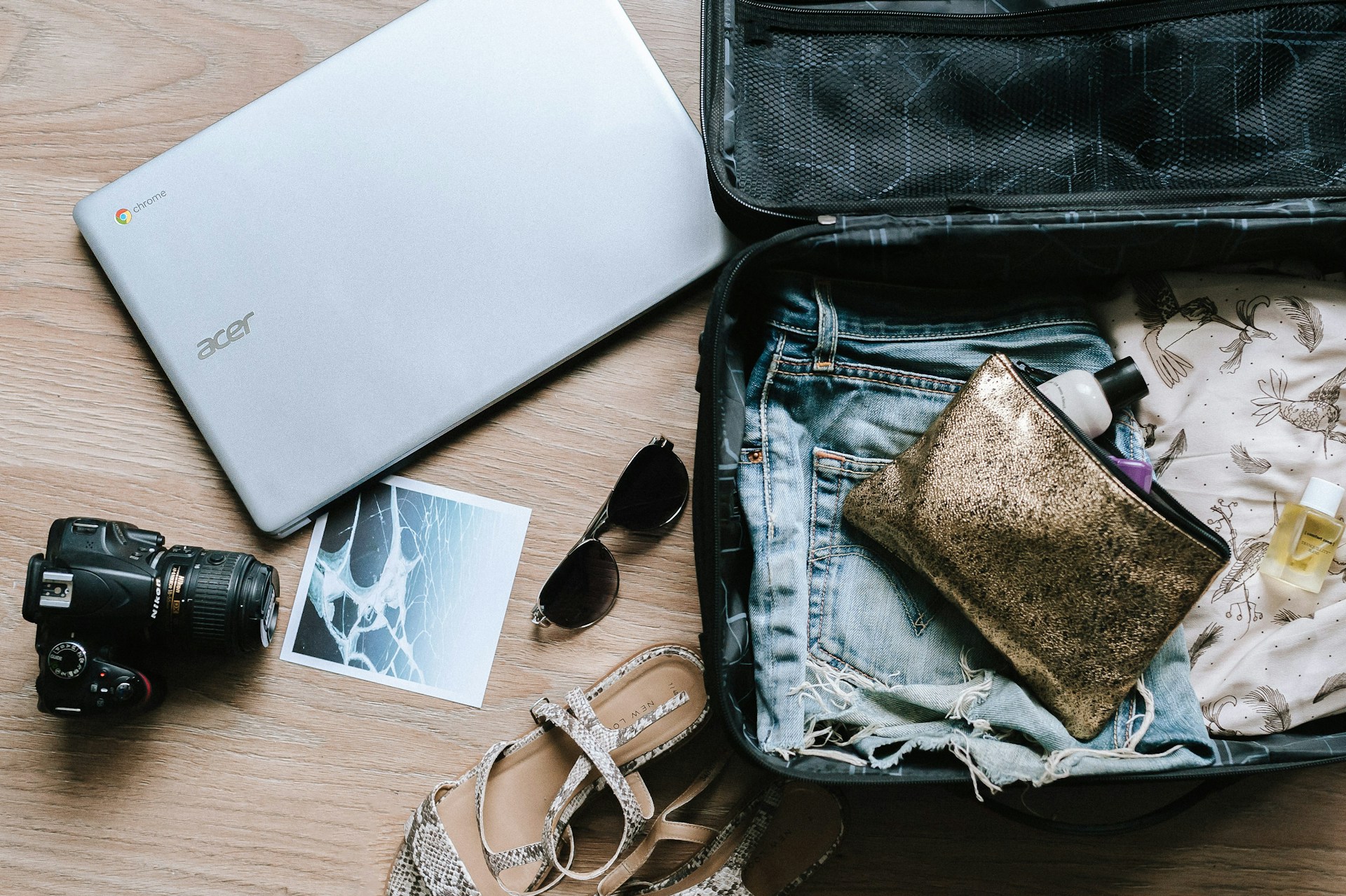
Lost or delayed luggage still happens, and when it does, your carry-on becomes your safety net. At a minimum, it should include medication, chargers, travel documents, basic toiletries, and one change of clothes. Think of it as a 24-hour survival kit that lets your vacation continue smoothly even if your checked bag doesn’t arrive with you. Packing essentials this way also reduces stress during long travel days and unexpected delays.
14. Know your airline’s baggage rules before you pack
Airline baggage rules vary widely in 2026, especially for carry-on size and weight limits. One of the smartest packing tips is checking these rules before you choose your luggage – not after you’ve packed it. Doing this early helps you avoid last-minute repacking at the airport, surprise fees, or having to gate-check a bag you assumed was compliant. A few minutes of research can save time, money, and frustration.
15. Optimize your personal item
Your personal item is some of the most valuable packing space you have. Choose a bag with structure, multiple compartments, and easy access so essentials aren’t buried. When packed intentionally, your personal item can hold tech, travel documents, snacks, and comfort items – reducing what needs to go in your main suitcase. Done right, this makes carry-on travel easier and keeps key items within reach throughout the journey.
16. Leave space for souvenirs
One of the most overlooked packing tips is leaving room for what you’ll bring home. Packing your bag completely full makes it harder to reorganize later and often leads to overstuffed, stressed-out zippers. Aim to leave about 10–15% empty space so souvenirs, gifts, or extra items fit easily. Your future self – tired after the trip and eager to get home – will appreciate the breathing room.
17. Avoid the most common carry-on packing mistakes
Carry-on packing mistakes are one of the biggest causes of airport stress – and most of them are completely avoidable. The most common issues include packing full-size toiletries, bringing too many shoes, and forgetting about security restrictions until you’re already in line. Liquids over the allowed limit, sharp objects, oversized gels, and even certain tools or cosmetics can slow you down or get confiscated at security.
Another frequent mistake is treating a carry-on like a smaller checked bag. Carry-ons work best when they’re curated, not crammed. Overpacking leads to poor organization, makes items hard to access, and increases the chance you’ll have to gate-check the bag anyway. Before zipping up, do a quick “airport reality check”: Can you easily remove liquids and electronics? Does everything pass security rules? Is there space to repack if needed? This final review is one of the simplest packing tips for avoiding delays and starting your vacation calmly.
18. Create a dedicated tech kit
Loose chargers and cables are easy to lose and frustrating to untangle mid-trip. A dedicated tech kit – even a small pouch – keeps chargers, adapters, earbuds, and power banks in one place. This makes airport security smoother and ensures everything is easy to grab when you need it. It’s a small packing habit that adds a lot of convenience, especially for long travel days or international vacations.
19. Decant toiletries and know liquid limits
Decanting toiletries into reusable travel bottles saves space, reduces waste, and keeps your bag organized. Stick to multi-use products whenever possible to limit how many items you bring. It’s also worth remembering that solid toiletries – like shampoo bars, soap bars, and stick deodorant – often bypass liquid restrictions entirely. This makes them especially useful for carry-on travel and helps avoid last-minute security issues.

Packing Tips for Comfortable Travel
20. Pack a mini “first-night kit”
A mini “first-night kit” is one of those packing tips that feels unnecessary – until the moment you desperately need it. After a long travel day, especially with delays, late arrivals, or jet lag, the last thing you want is to dig through a fully packed suitcase just to find pajamas or a toothbrush. A first-night kit solves that problem instantly.
This kit should include pajamas, basic toiletries, skincare essentials, and a fresh outfit for the next day. Ideally, it lives at the top of your suitcase or in an easy-to-access packing cube. It’s also incredibly helpful if your luggage is delayed or if you’re arriving somewhere late and tired. Having everything you need for your first night and morning in one place makes settling in effortless – and helps your vacation start feeling relaxing right away, not chaotic.
21. Bring reusable, multi-purpose items
In 2026, smart packing also means sustainable packing. Reusable, multi-purpose items like collapsible water bottles, foldable totes, and compact laundry bags reduce waste while adding convenience without taking up extra space. They also keep you flexible on vacation – a tote can double as a beach bag or shopping bag, and a laundry bag helps separate clean clothes from worn items so your suitcase stays organized.
22. Pack for long-haul comfort
Long-haul flights demand a different packing mindset. One of the most overlooked packing tips is preparing specifically for how you’ll feel during and after transit, not just once you arrive. Small comfort items can make a huge difference over many hours in the air. Compression socks help with circulation, an eye mask improves rest, lip balm and moisturizer combat dry cabin air, and a lightweight layer keeps you comfortable in unpredictable temperatures.
These items don’t take much space, but they dramatically affect how energized you feel when you land. Packing for comfort helps reduce travel fatigue, making it easier to adjust to a new time zone and start enjoying your vacation sooner. When you arrive feeling rested instead of drained, everything that follows feels easier.
23. Adjust your packing for multi-stop trips
Multi-stop itineraries are one of the biggest challenges in vacation packing. When your trip includes multiple destinations, climates, or activities, a single “dump everything in one suitcase” approach quickly becomes frustrating. One of the most effective packing tips here is to pack by segment rather than by category alone.
Group clothing and essentials by destination, activity, or portion of the trip using packing cubes or separate sections of your bag. This way, you’re only accessing what you need at each stop instead of unpacking everything repeatedly. Segment-based packing saves time, keeps your suitcase organized, and reduces wear-and-tear on your belongings – especially important for trips that involve frequent hotel changes or transportation days.
24. Choose lightweight, packable fabrics
Fabric choice has a bigger impact on packing than most people realize. Modern travel fabrics are lightweight, breathable, wrinkle-resistant, and fast-drying – which makes it easier to pack fewer items without sacrificing comfort.
Because these materials take up less space, dry quickly, and stay presentable with minimal effort, they’re ideal for vacations with lots of walking, shifting weather, or a planned laundry reset. As packing tips go, upgrading your fabric choices is a small change that pays off trip after trip.
25. Do a final edit – then remove three things
This final step is one of the most powerful packing tips – and one of the hardest to follow. Once your suitcase is packed, take a moment to review everything and then remove three non-essential items. These are usually “just in case” pieces, duplicate items, or things you packed out of habit rather than need.
You almost never miss what you remove. Instead, you notice the extra space, easier zippers, lighter weight, and better organization. This simple edit reinforces every packing principle that came before it: intentional choices, flexibility, and packing for the vacation you’re actually taking. Ending your packing process this way helps ensure your trip starts lighter, calmer, and more enjoyable.
Final Thoughts: Pack Less, Enjoy More
The best packing tip of all is this: packing lighter gives you more freedom. Less time organizing. Less stress moving between places. More energy to enjoy your vacation. With the right systems, rules, and mindset, packing becomes a confidence-boosting part of travel – not a chore.
Use these 25 packing tips for 2026 as a framework, adapt them to your travel style, and trust that you don’t need to bring everything to have an incredible trip. Smart packing isn’t about restriction – it’s about making room for the moments that matter most.